Best Arm-Friendly Padel Rackets for Tennis Elbow in 2026
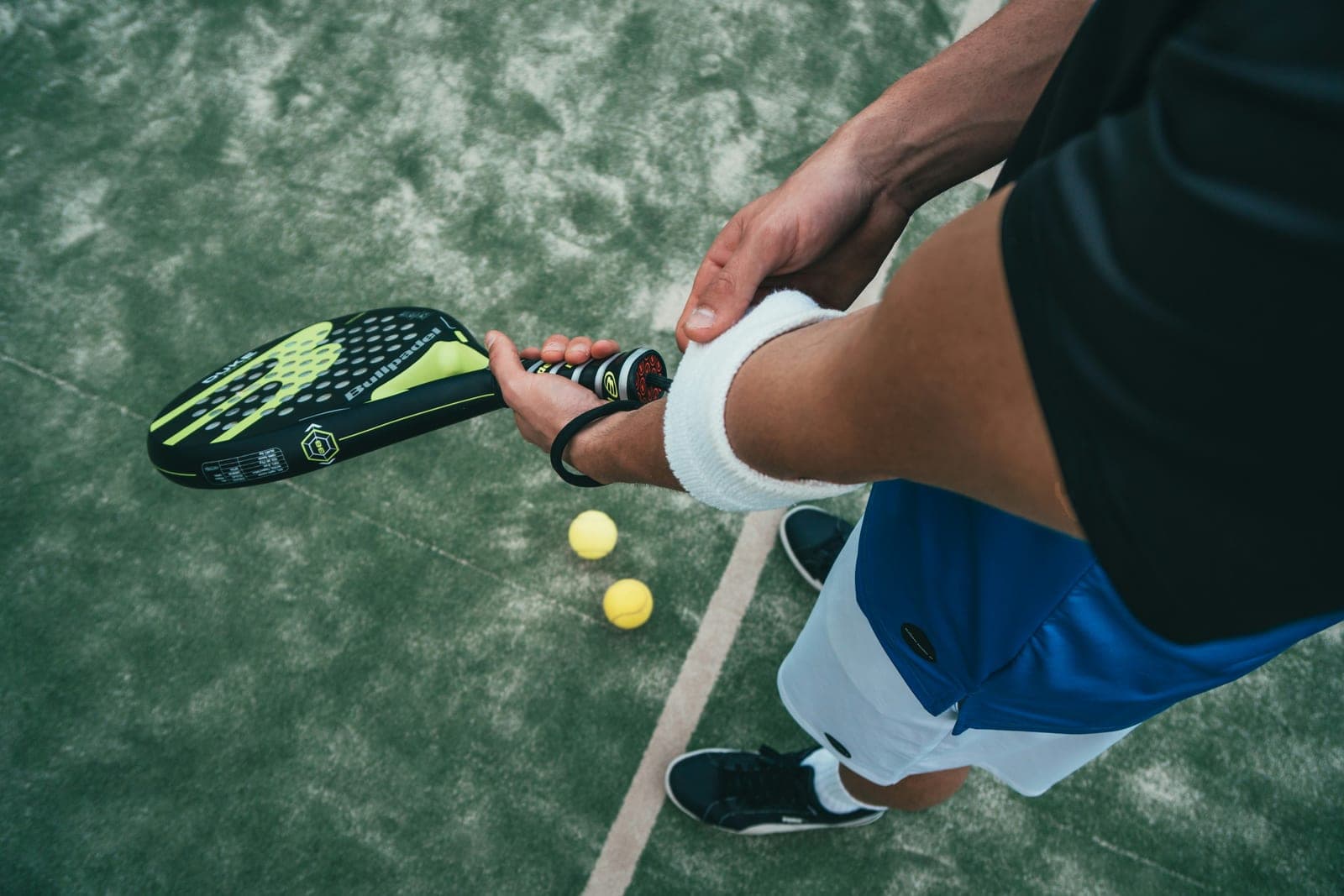
Researching and testing racket sport equipment so you don't have to.
I earn a small commission from purchases through affiliate links in this article. This helps keep RacketRise free and costs you nothing extra.
Last Updated: March 2026
Looking for a specific padel racket type? Our dedicated UK 2026 buyer's guides cover every major permutation:
By level: Beginners · Improvers · Intermediate · Advanced · UK Club Players
By budget: Under £50 · Under £100 · Under £150 · Under £200 · Premium (£250+)
By playstyle: Control · All-Rounders · Attackers · Power · Defensive Play
By demographic: Women · Kids · Teenagers · Seniors · Left-handers
By condition: Tennis Elbow · Shoulder Pain · Wrist Pain
By brand: Head · Bullpadel · Adidas · Nox · Babolat · Wilson
Free Download
UK Padel Gear Checklist
What to buy, what to skip, and where to get the best UK prices — in one printable page.
Plus the weekly newsletter. No spam, unsubscribe anytime.
Quick Summary
- Best overall arm-friendly racket: Bullpadel Vertex 04 Comfort (£142) — specifically engineered to reduce vibration without sacrificing performance
- Best budget arm-friendly option: Head Flash 2.0 (£85) — soft core and fibreglass face naturally absorb shock
- Prevention matters more than equipment — technique, warm-up, grip size, and rest are the most important factors
- Find courts near you — use the RacketRise Court Finder to find padel and pickleball courts across the UK
Quick-Pick Summary
| Racket | Shape | Weight | Arm Comfort | UK Price | Best For |
|---|---|---|---|---|---|
| Head Flash 2.0 | Round | 355g | ★★★★ | ~£85 | Budget arm-friendly, beginners |
| Head Extreme EVO | Round | 360g | ★★★★ | ~£86 | Tennis converts with arm concerns |
| Adidas RX Series Light | Round | 350g | ★★★★ | ~£66 | Lighter option, less strain |
| Babolat Viper Air | Teardrop | 355g | ★★★★★ | ~£160 | Best teardrop for arm comfort |
| Nox ML10 Pro Cup Luxury | Round | 360g | ★★★★★ | ~£170 | Premium comfort, defensive play |
| Bullpadel Vertex 04 Comfort | Round | 360g | ★★★★★ | ~£142 | Best overall arm-friendly racket |
I need to start with something important: if you have persistent arm pain, see a physiotherapist before buying a new racket. A racket can reduce vibration and improve comfort, but it cannot fix an injury. No piece of equipment is a substitute for proper diagnosis and treatment.
That said, the right racket makes a genuine difference. I've spoken to dozens of UK padel players who've either developed arm pain from playing with the wrong equipment or managed to continue playing pain-free by switching to a more suitable racket. The difference is real.
Quick Answer: The Bullpadel Vertex 04 Comfort (£142) is the best arm-friendly racket available. Its SoftEVA core and vibration-dampening technology are specifically engineered to reduce impact transmission to the arm. For a budget option, the Head Flash 2.0 (£85) naturally absorbs shock through its soft core and fibreglass face. But equipment is only part of the solution — technique, grip size, warm-up, and rest matter more.
Why Does Padel Cause Arm Pain?
Tennis elbow (lateral epicondylitis) and wrist pain are common in padel for several interconnected reasons. Understanding them helps you make better equipment and technique choices — and if you already know you need an arm-friendly setup, jump straight to our tennis-elbow racket picks for the specific UK-available models we recommend.
Vibration from Stiff Rackets
Every time the ball hits your racket face, the impact creates vibrations that travel through the frame and into your arm. Stiff carbon fibre faces — common on premium and power rackets — transmit more of this vibration than softer fibreglass faces. Over a 90-minute session of hundreds of shots, this cumulative vibration stresses the tendons in your elbow and wrist.
Wrong Racket Weight and Balance
A racket that's too heavy strains your forearm muscles on every swing. A head-heavy racket (common in diamond power rackets) creates leverage forces that amplify stress on the elbow joint. Both increase the risk of overuse injuries, especially if you play frequently.
Poor Technique
This is the biggest factor — and the one most equipment guides skip because they can't sell you a racket to fix it. Common technique issues that cause arm pain:
- Gripping too tightly — tension in the forearm reduces natural shock absorption
- Leading with the wrist on volleys instead of using the shoulder and body
- Late contact point — hitting the ball behind your body instead of in front forces your wrist into an unnatural angle
- Using a full swing on every shot instead of compact, efficient movements
Playing Too Much Too Soon
Padel is addictive. New players often go from zero to three sessions a week within a month. Your arm hasn't adapted to the repetitive impacts, and overuse injuries follow. The tendons need gradual conditioning — rushing that process invites pain.
Wrong Grip Size
A grip that's too small forces you to squeeze harder to maintain control. A grip that's too large prevents your hand from wrapping naturally. Both create excessive tension in the forearm muscles, leading directly to elbow strain. This is one of the most overlooked causes of padel-related arm pain.
What Makes a Racket Arm-Friendly?
Soft EVA or FOAM Core
Soft cores absorb more energy on contact, reducing the vibration that reaches your hand and arm. Look for rackets with "SoftEVA," "Comfort," or "Light" in their descriptions — these typically use softer foam formulations. Harder cores (dense EVA, hard FOAM) transmit more shock and are less forgiving on mishits.
Round Shape
Round rackets have the sweet spot centred in the face, which means you hit the sweet spot more often. Hitting outside the sweet spot — especially on the edges — creates significantly more vibration than a clean centre hit. A larger, centred sweet spot means fewer high-vibration mishits per session.
Lighter Weight (350-360g)
Lighter rackets require less force to swing, reducing the workload on your forearm muscles. They also have less inertia on contact, meaning the impact doesn't "jolt" your arm as aggressively. For arm comfort, 350-360g is the ideal range. Avoid anything over 370g if you're experiencing pain.
Fibreglass or Hybrid Face
Fibreglass is more elastic than carbon fibre. It bends slightly on contact, absorbing some of the impact energy before it reaches the frame and your hand. Carbon/fibreglass hybrids offer a middle ground — more responsive than pure fibreglass, softer than pure carbon. For maximum arm comfort, fibreglass or soft hybrid faces are best.
Even or Head-Light Balance
Head-heavy rackets create a lever effect that amplifies the force transmitted to your elbow on every shot. Head-light or evenly balanced rackets distribute forces more naturally, reducing the strain on specific tendons. If you have arm issues, avoid any racket described as "head-heavy."
Vibration Dampening Technology
Some premium rackets include specific vibration-dampening technologies — built-in silicone inserts, polymer compounds in the handle, or engineered frame geometries that dissipate vibration before it reaches your hand. These vary in effectiveness, but the best (like Bullpadel's Comfort line) make a noticeable difference.
Best Arm-Friendly Padel Rackets: Detailed Reviews
Head Flash 2.0 — Best Budget Arm-Friendly Option
Price: ~£65 | Check price on Amazon → Shape: Round | Weight: 355g | Balance: Even | Face: Fibreglass
Pros:
- Soft Power Foam core absorbs vibrations naturally
- Fibreglass face is elastic and forgiving — reduces impact shock
- Large sweet spot means fewer high-vibration mishits
- At £65, it's accessible to anyone dealing with arm pain
Cons:
- No specific vibration-dampening technology — it's naturally soft, not engineered for comfort
- Limited power — your shots won't carry the same pace as with stiffer rackets
- You may outgrow it as your game develops
- Basic build quality compared to premium arm-friendly options
Honestly: The Flash 2.0 is naturally arm-friendly rather than specifically engineered for it. Its fibreglass face, soft core, and round shape combine to create a racket that absorbs shock well without any special technology. For many players experiencing mild arm discomfort, switching from a stiff carbon racket to the Flash 2.0 is enough to solve the problem. It's the cheapest test of whether your racket is causing your pain.
Head Extreme EVO — Best for Tennis Converts with Arm Concerns
Price: ~£86 | Check price → Shape: Round | Weight: 360g | Balance: Medium | Face: Carbon + Fibreglass
Pros:
- Carbon/fibreglass hybrid offers more feel than pure fibreglass while staying relatively soft
- Familiar handle design for tennis players transitioning to padel
- Round shape provides a forgiving sweet spot
- Good balance between arm comfort and shot feedback
Cons:
- Slightly stiffer than the Flash 2.0 due to the carbon component
- Not specifically designed for arm comfort
- 360g is marginally heavier — noticeable over long sessions for some
- The carbon element means slightly more vibration than pure fibreglass
My take: Many padel players with arm issues are tennis converts. Tennis elbow often follows them from one sport to the other, and the transition to padel's solid racket face (no strings to absorb shock) can aggravate existing conditions. The Extreme EVO is a good compromise — the hybrid face gives tennis players the responsive feel they expect while the fibreglass component keeps it softer than pure carbon alternatives. It's arm-friendly with better performance characteristics than the Flash 2.0.
Adidas RX Series Light — Best Lighter Option
Price: ~£66 | Check price → Shape: Round | Weight: 350g | Balance: Medium | Face: Fibreglass (carbon frame)
Pros:
- At 350g, it's lighter than most standard rackets — less arm strain per swing
- Carbon frame adds sturdiness without the stiffness of a carbon face
- Fibreglass face absorbs impact naturally
- Adidas build quality is reliable
Cons:
- 350g may feel insubstantial to players used to heavier rackets
- Less natural power than heavier alternatives
- No specific vibration-dampening technology
- Availability of the "Light" variant can be patchy
Real talk: Weight reduction is one of the most effective ways to reduce arm strain. Every gram you remove from the racket reduces the force your forearm muscles need to generate — and the force transmitted back to your arm on contact. The RX Series Light at 350g sits in the ideal range for arm comfort while still feeling like a proper racket, not a toy. If your current racket weighs 370g+ and you're getting arm pain, this lighter option may solve the problem on its own.
Babolat Viper Air — Best Teardrop for Arm Comfort
Price: ~£160 | Check price on Amazon → Shape: Teardrop | Weight: 355g | Balance: Medium | Face: Carbon fibre (AirFoam core)
Pros:
- AirFoam core is specifically designed for vibration absorption and comfort
- Teardrop shape gives you more power than round — important if you don't want to sacrifice performance
- 355g is light for a teardrop racket
- Babolat's engineering expertise is evident in the feel
Cons:
- At £160, it's a premium investment
- Carbon face still transmits more vibration than fibreglass, despite the soft core
- Teardrop sweet spot is smaller than round — more mishits, more vibration events
- Availability in UK padel shops can be inconsistent
Who it's for: The Viper Air is for players who need arm comfort but don't want to downgrade to a round beginner racket. The AirFoam core genuinely reduces vibration — you can feel the difference compared to standard EVA on contact. Combined with the teardrop shape and 355g weight, it gives you a performance racket that doesn't punish your arm. If you're an intermediate player experiencing discomfort and reluctant to give up your teardrop, this is the solution.
Nox ML10 Pro Cup Luxury — Premium Comfort for Defensive Players
Price: ~£170 | Check price on Amazon → Shape: Round | Weight: 360g | Balance: Low-Medium | Face: 12K Carbon (SoftCore)
Pros:
- SoftCore technology provides exceptional vibration absorption
- 12K carbon face delivers premium feel without excessive stiffness
- Low-medium balance reduces leverage strain on the elbow
- Outstanding for defensive play — the touch and control are excellent
Cons:
- £170 is significant for a comfort-focused racket
- Limited power — not designed for aggressive play
- 12K carbon is stiffer than fibreglass despite the soft core
- The "Luxury" line is less widely available than the standard ML10
Bottom line: The ML10 Pro Cup Luxury is proof that arm-friendly rackets don't have to feel cheap. The 12K carbon face gives you genuine quality of touch and feedback while the SoftCore absorbs the vibration that causes problems. It's a premium racket that happens to be comfortable, not a comfort racket that tries to be premium. If you're a defensive player with arm issues who plays regularly, this is the racket that lets you continue without compromise.
Bullpadel Vertex 04 Comfort — Best Overall Arm-Friendly Racket
Price: ~£142 | Check price on Amazon → Shape: Round | Weight: 360g | Balance: Medium | Face: 12K Carbon (SoftEVA comfort core)
Pros:
- SoftEVA core is specifically engineered for vibration dampening
- Built-in vibration-reducing technology in the handle and frame
- 12K carbon face maintains high performance despite the comfort focus
- The most thoroughly arm-friendly design on the market
Cons:
- £142 is a premium price
- The comfort technology adds a slight "softness" that power-focused players may dislike
- Still a round shape — limits power potential
- Premium build means limited production — can be hard to find in stock
The honest take: The Vertex 04 Comfort exists because Bullpadel recognised that arm pain is one of the biggest reasons people stop playing padel. They took their flagship Vertex line and re-engineered the core and handle specifically to reduce vibration. The result is a racket that feels genuinely different on contact — softer, more cushioned, less aggressive on your arm. It's the only racket on this list where arm comfort was the primary design goal rather than a secondary benefit. If arm pain is threatening your ability to play, this is the racket to try first.
Free Download
UK Padel Gear Checklist
What to buy, what to skip, and where to get the best UK prices — in one printable page.
Plus the weekly newsletter. No spam, unsubscribe anytime.
Prevention: 8 Ways to Protect Your Arm
Equipment helps, but prevention is far more effective than treatment. These eight practices will do more for your arm than any racket change.
1. Warm Up Properly
Five minutes of arm circles, wrist rotations, and gentle stretching before playing increases blood flow to the tendons and prepares them for the repetitive impacts of padel. Most players skip this entirely. Don't.
2. Fix Your Technique
See a coach, even for just one session. The most common causes of arm pain — tight grip, wrist-led volleys, late contact point — are fixable with proper instruction. One coaching hour is worth more than a £200 racket change. Check our grip technique guide for fundamentals.
3. Check Your Grip Size
Your grip should allow your fingers to wrap around the handle with a small gap (about a finger width) between your fingertips and the base of your thumb. Too small: you squeeze harder. Too large: your hand works harder to hold on. Both cause forearm strain. Most players use grips that are too large.
4. Use Overgrips
A quality overgrip provides better traction, which means you can hold the racket with less force. Less grip pressure means less forearm tension. Replace overgrips every 3-5 sessions — they lose tackiness quickly. See our overgrips guide for recommendations.
5. Rest Between Sessions
Your tendons need 48-72 hours to recover from the repetitive stress of padel. Playing three consecutive days is asking for trouble. Spread your sessions across the week and listen to your body. If your arm still aches when you wake up, skip the next session.
6. Strengthen Your Forearm
Simple exercises with a lightweight dumbbell or resistance band — wrist curls, reverse wrist curls, and pronation/supination — build the muscle that supports and protects your elbow tendons. Five minutes a day, three times a week. It's boring but effective.
7. Ice After Playing
If you notice any arm discomfort after a session, apply ice for 15-20 minutes. This reduces inflammation before it becomes a problem. Consistency matters — icing once won't help, but icing after every session prevents cumulative inflammation from building up.
8. Don't Play Through Pain
This is the most important and most ignored advice. Pain is your body telling you something is wrong. Playing through it turns a minor issue into a chronic condition. Take a week off at the first sign of persistent arm discomfort. A week's rest now prevents months of recovery later.
When to Stop Playing and Seek Help
See a GP or physiotherapist if:
- Pain persists for more than two weeks despite rest
- You feel pain during daily activities (turning a doorknob, lifting a kettle)
- The pain wakes you at night
- You notice swelling around the elbow
- Grip strength has noticeably decreased
The NHS provides excellent physiotherapy resources. Many GPs can refer you to a sports physiotherapist, and self-referral to NHS physiotherapy is available in most areas. Don't wait until the problem is severe — early intervention leads to faster recovery.
Find courts near you — when you're ready to return to playing, use the RacketRise Court Finder to find padel venues near you.
Sources & Further Reading
- NHS — Tennis Elbow — Symptoms, causes, and treatment for lateral epicondylitis
- LTA Padel — Injury Prevention — Official guidance on safe padel participation
- BUPA — Repetitive Strain Injuries — Medical guidance on overuse injuries in sport
Frequently Asked Questions
Can padel cause tennis elbow?
Yes — tennis elbow (lateral epicondylitis) is one of the most common padel injuries. The repetitive impact of hitting a solid-faced racket, combined with the frequent volleying and overhead shots in padel, places significant stress on the forearm tendons. Contributing factors include stiff rackets, heavy weight, head-heavy balance, poor technique, and playing too frequently without adequate rest.
What type of padel racket is best for tennis elbow?
A round-shaped racket with a soft EVA core, fibreglass or hybrid face, even balance, and weight between 350-360g. These characteristics minimise vibration transfer to your arm. The Bullpadel Vertex 04 Comfort (£142) is the best purpose-built option, while the Head Flash 2.0 (£85) is the most affordable arm-friendly racket.
Will a new racket cure my tennis elbow?
No. A racket can reduce the vibration and strain that aggravate the condition, but it cannot heal damaged tendons. If you have tennis elbow, you need rest, physiotherapy exercises, and potentially medical treatment. Once the injury has healed, an arm-friendly racket can help prevent recurrence.
How do I know if my racket is causing arm pain?
Common signs that your racket is contributing to arm pain: the pain started or worsened when you changed rackets, you feel sharp vibration travelling up your arm on contact, your arm aches more after playing than when you rest, and the pain is worse with certain shots (especially mishits). Try borrowing a softer, lighter racket for a few sessions — if the pain reduces, your racket is likely a factor.
Is a lighter or heavier racket better for tennis elbow?
Lighter, generally. A lighter racket (350-360g) requires less force to swing and creates less impact shock on contact. However, an extremely light racket (under 340g) can actually increase arm strain because you need to swing harder to generate adequate power. The 350-360g range is the sweet spot for arm comfort.
Should I use a vibration dampener for padel?
Padel rackets don't use string dampeners like tennis rackets (because there are no strings). However, some rackets include built-in vibration-dampening technology in the handle or frame. You can also reduce vibration by using a quality overgrip, which adds a thin cushioning layer between your hand and the handle. The most effective vibration reduction comes from choosing the right racket — soft core, round shape, appropriate weight.
Which padel racket offers the best vibration reduction for elbow comfort?
The Bullpadel Vertex 04 Comfort (£142) — its SoftEVA core and built-in vibration-dampening technology are specifically engineered to reduce impact transmission to the arm, without dropping performance the way a purely budget comfort racket does. If £142 is out of reach, the Head Flash 2.0 (£85, Soft Power Foam core) absorbs vibration naturally, just without the engineered dampening tech.
Disclaimer: This article is for informational purposes only. Equipment recommendations are based on research and testing — individual preferences may vary. Always consult venue staff about court-specific requirements. Prices and availability are subject to change. This article does not constitute medical advice — always consult a qualified healthcare professional for arm pain or injury concerns.
Free Download
UK Padel Gear Checklist
What to buy, what to skip, and where to get the best UK prices — in one printable page.
Plus the weekly newsletter. No spam, unsubscribe anytime.
Read the In-Depth Reviews
- Head Flash 2.0 Padel Racket— full review →
- Head Extreme EVO Padel Racket— full review →
- Adidas RX Series Light Padel Racket— full review →
- Babolat Viper Air Padel Racket— full review →
- Nox ML10 Pro Cup Luxury Padel Racket— full review →
- Bullpadel Vertex 04 Comfort Padel Racket— full review →
Tools & Quizzes
Editorial Methodology
Our recommendations come from on-court testing on UK artificial-grass courts, comparative play sessions, and refusing paid placements. Read how we research →
Unfamiliar term? Look it up in the Padel Glossary.